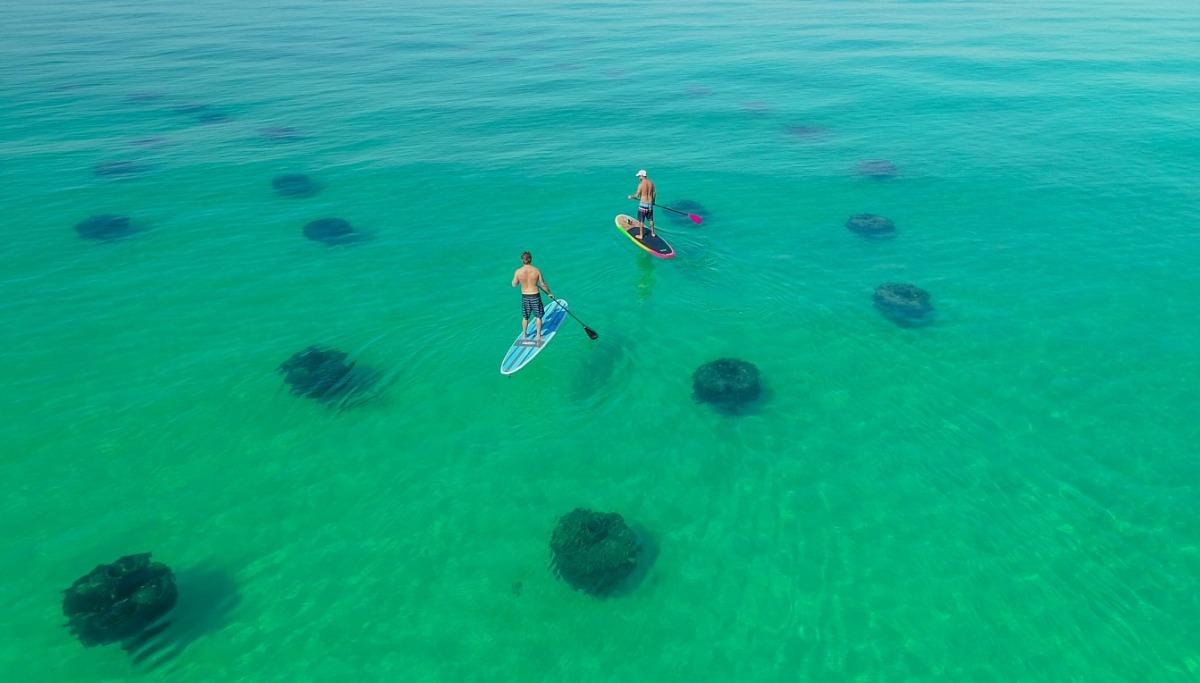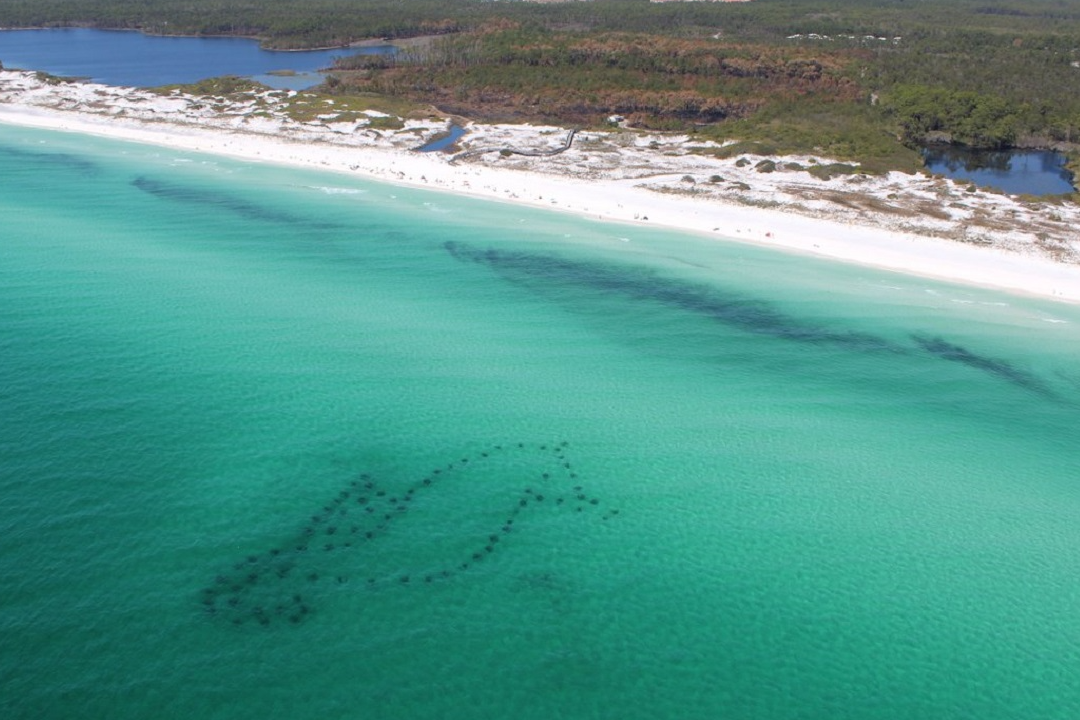
Okaloosa County features a growing network of artificial reef sites, located within easy reach of public beaches. Established in 2019 using environmental settlement funds, this complex initially included four reef sites adjacent to public beach access points, with plans for a total of eight sites. In 2020, the county officially named the reef system the Robert Bonezzi Snorkel Reef Complex. Each reef is situated roughly 200 to 300 yards offshore in waters about 12 to 20 feet deep, perfectly suited for snorkeling from shore or via paddleboard or kayak.
- To replace lost marine habitats following the Deepwater Horizon oil spill
- To restore and enhance reef fish populations and biodiversity
- To create easily accessible snorkeling and fishing spots for tourists and locals alike
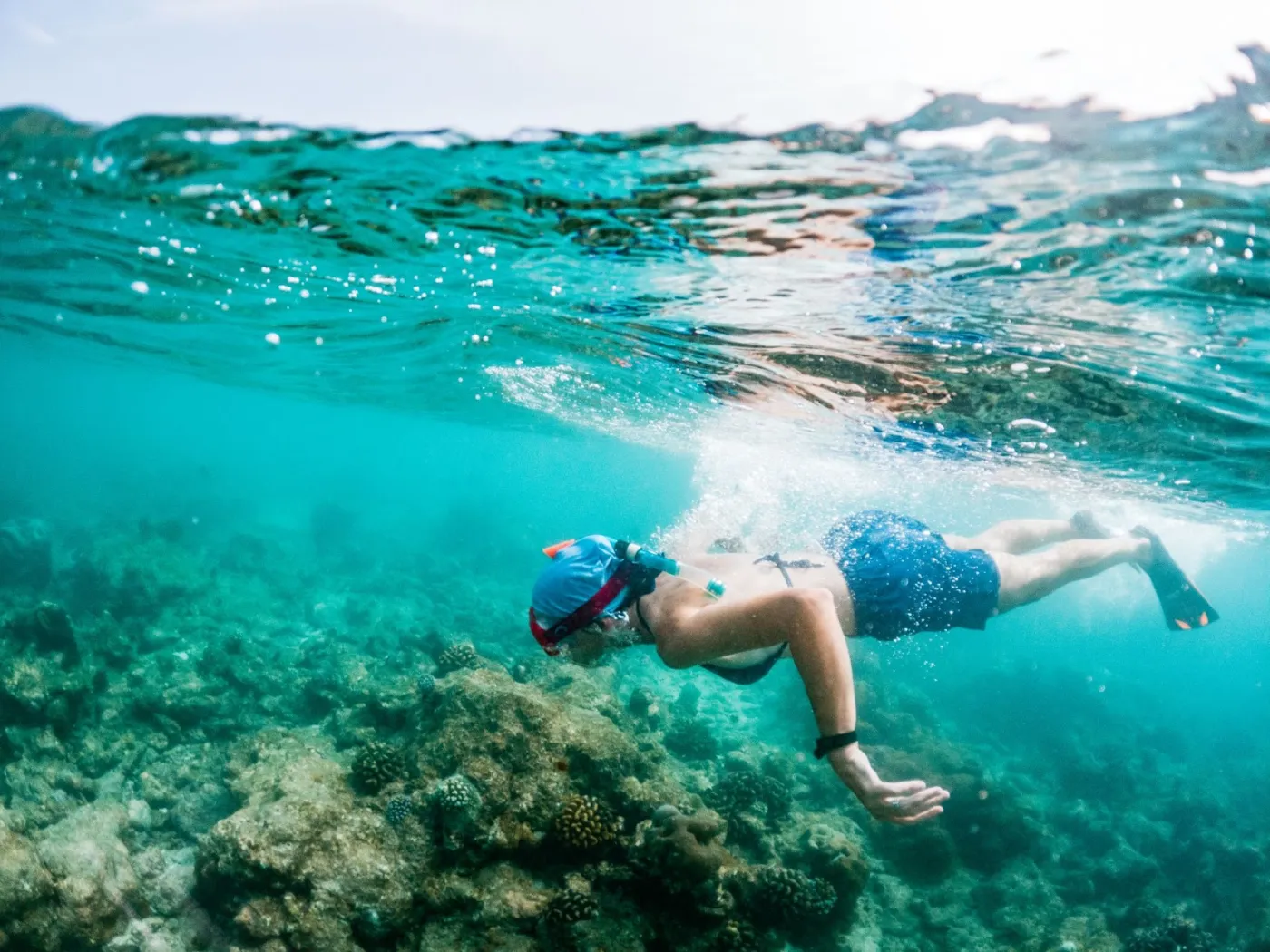
Expect to encounter snapper, grouper, amberjack, sheepshead, pufferfish, and possible sightings of sea turtles, nurse sharks, octopus, crabs, and occasionally even dolphins or manatees.
The Destin East Pass Jetty is a popular snorkel spot close to shore, with high visibility and good wildlife encounters.
Reef sites off Okaloosa Island Beach Accesses 2, 4, and 6 are part of the Bonezzi Reef Complex, with onsite signage as deployments are completed.
- Dolphin Reef in Miramar Beach – Depth: 12–20
- Turtle Reef in Grayton Beach State Park – Depth: 12–19′
- Seahorse Reef in Topsail Hill Preserve State Park – Depth: 13–18′
- Grouper Reef in Inlet Beach – Depth: 12–21′
- Rent or bring snorkels, masks, fins, and if needed, a snorkel vest
- Optimal visibility typically occurs around high tide or slack tide, as incoming tides are usually clearer and calmer
- Reefs are located 6 to 20 feet underwater and are accessible via swim, kayak, or paddleboard
- Always observe beach flag warnings, check conditions before entering the water, and carry a diver-down buoy or flag when snorkeling
Since 2019, Okaloosa County has deployed more than 275 reef structures across 133 sites, including innovative 3D printed modules, some reaching depths of 65 to 292 feet.
Preference is given to prefabricated concrete disk reefs anchored with pilings, designed especially for nearshore snorkeling and kayaking.
The county has built over 565 public artificial reef sites since the 1970s, with more than half of those deployed in recent years.